
A REPUBLICAN DEFENSE OF JUSTICE: RESTORING CONSTITUTIONAL ORDER AFTER KIRK’S ASSASSINATION
An Editorial by a Constitutional Conservative
Like the ancient Roman general who crossed the Rubicon, forever altering the trajectory of his republic, we find ourselves at a constitutional crossroads where the very foundations of American governance hang in the balance. The tragic assassination of Charlie Kirk has precipitated a necessary but painful moment of national reckoning, one that demands we examine not just the violence that took his life, but the institutional responses that followed.
The Constitutional Imperative for Transparency
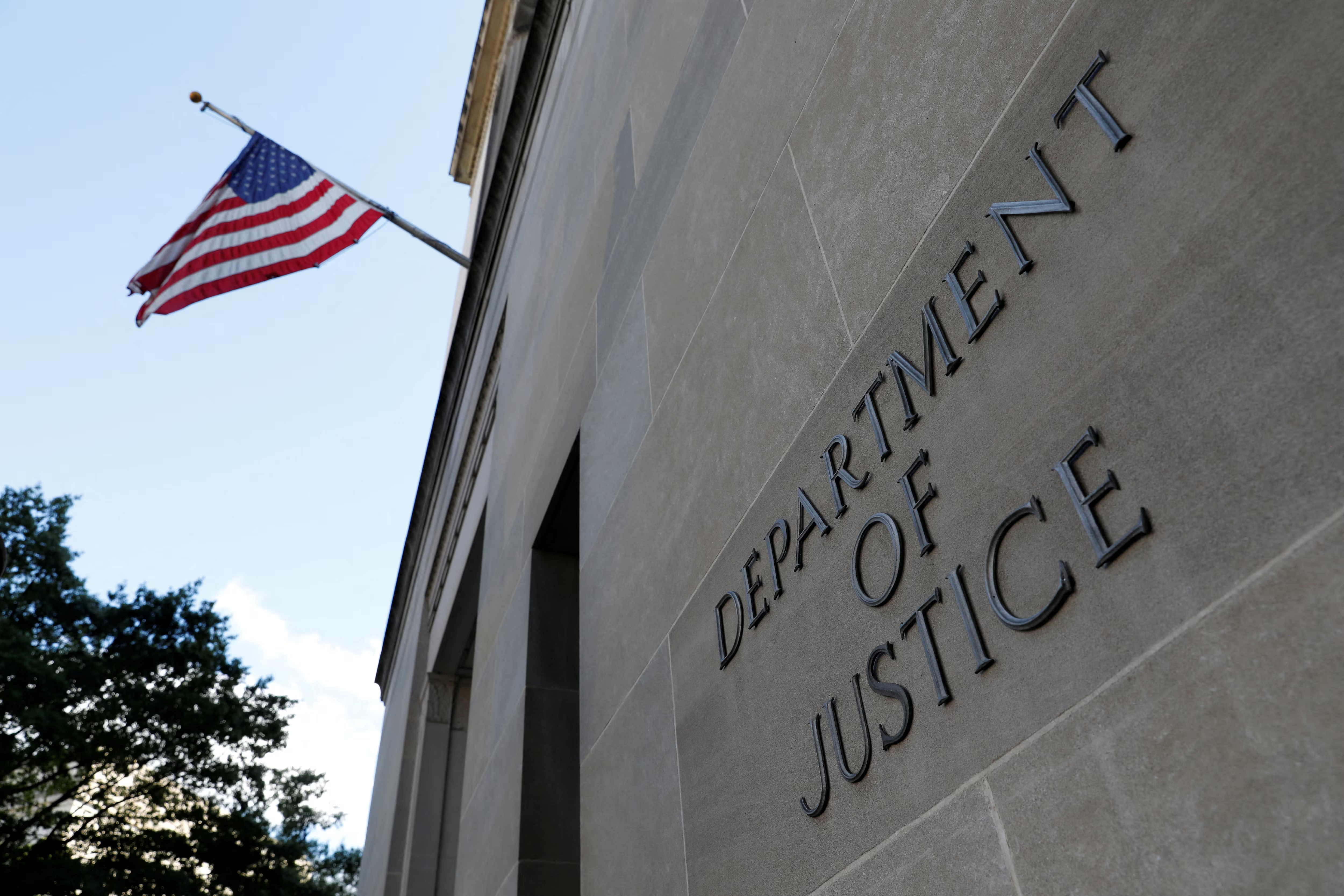
As conservatives who revere the Constitution above partisan expedience, we must acknowledge an uncomfortable truth: the removal of the Department of Justice study documenting far-right violence represents a dangerous precedent that undermines the very rule of law we claim to champion. The study, which concluded that “far-right extremists have committed far more ideologically motivated homicides than far-left or radical Islamist extremists,” may present inconvenient facts, but the facts remain.
Like sunlight serving as democracy’s best disinfectant, government research must illuminate reality rather than obscure it. When we allow political convenience to trump empirical truth, we abandon the intellectual honesty that has long distinguished conservative thought from mere reactionary impulse. The same constitutional principles that protect Charlie Kirk’s right to speak freely must also protect the government’s obligation to speak truthfully about threats to public safety.
The Eisenhower Standard of Executive Restraint
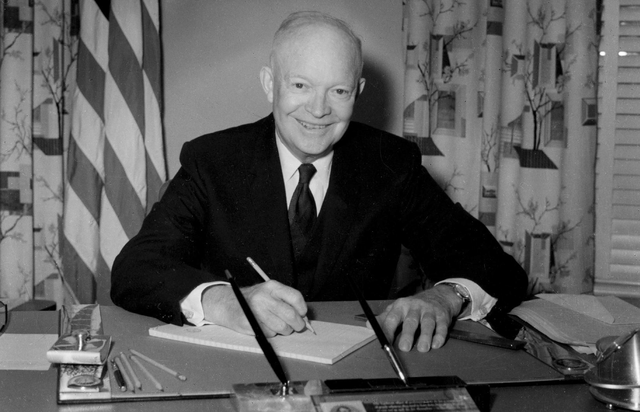
President Eisenhower, that paragon of Republican leadership, once warned against the dangers of allowing any single crisis to fundamentally alter our democratic institutions. His measured response to domestic challenges, whether the integration of Little Rock Central High School or the Communist hysteria of his era, demonstrated that true conservative leadership requires restraint even in moments of national anguish.
The current administration’s promise to “identify, disrupt, dismantle, and obliterate” networks of left-wing organizations in response to Kirk’s murder echoes the very governmental overreach that traditional conservatives have historically opposed. When we grant the government the power to target political opponents based on ideological affiliation rather than criminal conduct, we create precedents that future administrations, potentially hostile to conservative principles, may exploit against us.
Senator Lindsey Graham’s observation that Trump views Kirk’s assassination as “an attack on his political movement” inadvertently reveals the danger: governance becomes personal vengeance rather than constitutional duty.
The Federalist Framework Under Siege
The Founding Fathers, in their wisdom, designed a system of checks and balances precisely to prevent the kind of concentrated power we now witness. James Madison warned in Federalist 10 that “the violence of faction” posed the greatest threat to republican government, not just the factions themselves, but the governmental responses that might emerge to combat them.
The systematic removal of terrorism databases, the targeting of academic researchers studying extremism, and the elimination of violence prevention programs represent exactly the kind of faction driven governance Madison feared. When government agencies purge inconvenient data and redirect resources based on political rather than public safety considerations, they betray the constitutional principle that the government must serve all citizens, not merely those who support the incumbent administration.

A Reagan Republican Response to Crisis
Ronald Reagan, faced with domestic terrorism from groups like the Weather Underground and international threats from state sponsors of terrorism, never abandoned America’s commitment to constitutional governance. His response was measured, lawful, and respectful of civil liberties even as he pursued legitimate security objectives.
The current approach, threatening to deport students for protected speech, labeling property damage as “domestic terrorism” when committed by political opponents, and promising to investigate organizations based on their ideological orientation rather than criminal activity, represents a fundamental departure from Reagan’s constitutional conservatism.
True conservative leadership requires us to distinguish between legitimate law enforcement and political persecution. When Attorney General Bondi suggests investigating “anyone who may
have had a role in promoting the violent ideology” without evidence of actual criminal conspiracy, she ventures into territory that should alarm any constitutionalist worthy of the name.

The Burke Principle of Institutional Continuity
Edmund Burke, the father of modern conservatism, taught us that institutions exist not for the convenience of current leaders but for the preservation of ordered liberty across generations. The systematic dismantling of research capabilities, the purging of government websites, and the weaponization of federal agencies against political opponents represents exactly the kind of revolutionary upheaval that Burke warned would ultimately consume the republic itself.
Consider the irony: in response to one act of political violence, we are witnessing a coordinated assault on the institutional frameworks designed to prevent such violence. The removal of the NIJ study, the elimination of domestic terrorism tracking capabilities, and the redirection of FBI resources away from monitoring extremist threats collectively weaken our national capacity to understand and combat political violence from all sources.
A Path Forward Grounded in Constitutional Principle
Genuine conservatives must now choose between partisan loyalty and constitutional fidelity. The test of our principles comes not when they align with our political interests, but when they conflict with them.
We can honor Charlie Kirk’s memory while simultaneously demanding that our government operate within constitutional bounds. We can pursue justice for his assassination while rejecting the collective punishment of political opponents. We can acknowledge the reality of extremist violence from multiple sources while maintaining our commitment to equal justice under law.
The path forward requires what Burke called “the decent drapery of life,” the institutional norms and constitutional constraints that distinguish civilization from chaos. This means restoring the deleted study to public access, maintaining robust research capabilities regarding all forms of extremism, and ensuring that law enforcement responses target criminal behavior rather than political affiliation.
The Lincoln Standard of National Unity
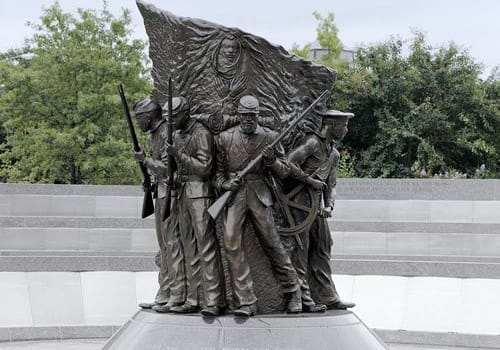
Abraham Lincoln, facing a crisis that truly threatened the republic’s survival, never abandoned his commitment to constitutional governance even in the darkest hours of civil war. His approach to domestic dissent, measured, constitutional, and ultimately healing, offers a template for our current moment.
When Lincoln suspended habeas corpus, he did so through constitutional processes and submitted to Congressional oversight. When he prosecuted Confederate sympathizers, he followed due process rather than political vendetta. Most importantly, he never confused personal loyalty with national duty.
The current moment demands similar statesmanship. Charlie Kirk’s assassination was a tragedy, but it cannot become a pretext for abandoning the constitutional principles he claimed to champion. If we truly wish to honor his memory, we must ensure that our response strengthens rather than weakens the constitutional republic he professed to love.
The choice before us is clear: we can be Republicans in the Lincoln tradition, committed to constitutional governance even when politically inconvenient, or we can be mere partisans willing to sacrifice institutional integrity for temporary advantage. History will judge not just what we choose, but whether we possess the wisdom to choose correctly while the choice remains ours to make.
In the end, the greatest tribute we can pay to Charlie Kirk, and to the constitutional republic he served, is to ensure that our response to his death strengthens rather than corrupts the institutions that make peaceful political discourse possible. Anything less dishonors both his memory and our constitutional heritage.

Oliver N.E. Kellman, Jr., J.D. Managing Partner & Executive Managing Director
“Charlie Kirk’s assassination was a tragedy — but it cannot become a pretext for abandoning the constitutional principles he claimed to champion.”— Oliver N.E. Kellman, Jr., J.D.
Follow me
Created with ©systeme.io


