
WHEN DEMOCRACY BLEEDS: THE CHARLIE KIRK TRAGEDY AND AMERICA’S UNFINISHED RECKONING
“In a time of deceit, telling the truth is a revolutionary act,” George Orwell once warned. “The ultimate measure of a man is not where he stands in moments of comfort and convenience, but where he stands at times of challenge and controversy,” Martin Luther King Jr. reminded us. And as Voltaire is often paraphrased: “I disapprove of what you say, but I will defend to the death your right to say it.”
The assassination of Charlie Kirk is not merely a news item; it is a jagged shard of glass piercing the heart of these American ideals. It compels us to confront the chasm yawning between our stated values and the often-brutal realities of our national discourse. This wound on the nation’s conscience demands we ask: What does America truly stand for when disagreement turns deadly? And, what truths do we so often overlook when debates about race, justice, and opportunity are boiled down to talking points and stereotypes?
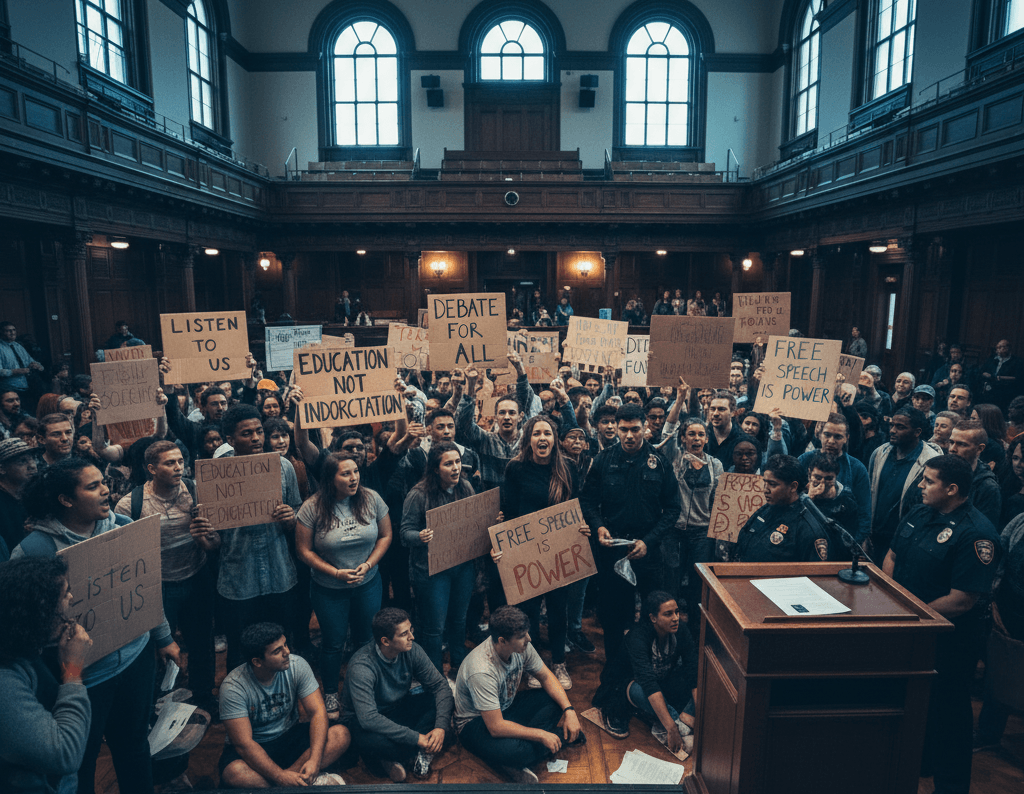
The Cacophony of Liberty
Where Words Should Never Meet Bullets
Charlie Kirk wielded his voice like a lightning rod, drawing both fervor and fury from college quads to cable news studios. He embodied the contentious spirit of American debate, a tradition that demands we engage, challenge, and be challenged. As Patrick Henry once proclaimed, “Give me liberty, or give me death!” This is a sentiment that underscores the inherent risks and responsibilities that come with the freedom to speak one’s mind.
Kirk never ducked a tough exchange, standing firm while critics protested or argued back. He embraced what John Lewis called getting into “good trouble, necessary trouble,” the American spirit at its best: using words, not weapons, to fight over what the nation should become. However, the volleys of rhetoric Kirk launched, especially concerning race, crime, and social equity, often felt like targeted strikes, weaponizing data to fuel prejudice against already vulnerable communities.
Critics were justified in calling out the harm in his inflammatory, skewed claims about crime, fatherhood, and affirmative action, charges that too often turned data into daggers aimed at communities already struggling for dignity. However, his silencing through violence underscores a fundamental truth: in a republic founded on the exchange of ideas, bullets are the ultimate form of censorship. The tragedy is that violence silenced, rather than corrected, those distortions.
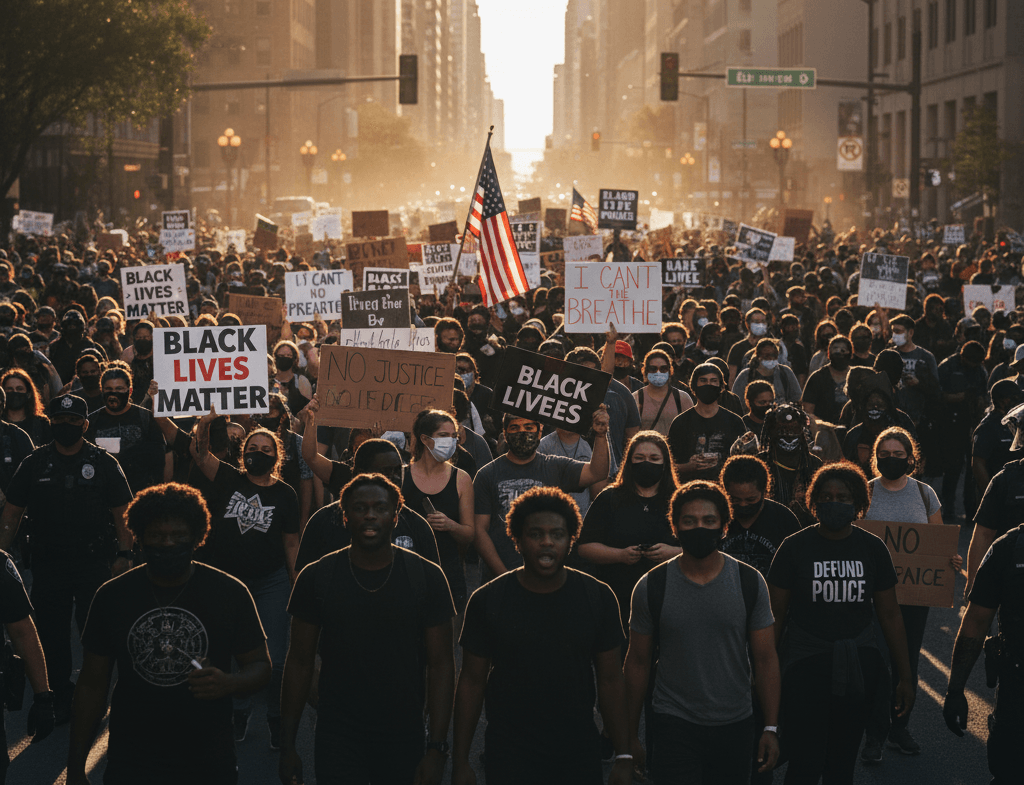
Debunking the Myth of Inherent Criminality History’s Long Shadow
Let us dismantle one of the most enduring and insidious myths plaguing our nation; the assertion that Black people are somehow inherently predisposed to criminal behavior. This falsehood withers under the light of empirical evidence. When viewing socioeconomic factors, crime rates between Black and White Americans become statistically indistinguishable. The disparity lies not in inherent racial traits, but in systemic inequalities that perpetuate cycles of poverty and marginalization.
History casts a haunting shadow on this issue. Following the abolition of slavery, Black Codes criminalized everything from gathering after dark to looking for work. If that was not enough, convenient new laws were enacted, letting Southern states fill jails and work gangs with newly freed Black men, who were falsely arrested and placed into a newly shaped type of slavery to replace the workforce these states had lost due to slavery being abolished. Today, the mechanics are subtler, redlined neighborhoods, underfunded schools, and relentless policing, but the effect remains, with whole communities marked as risky and policed as such, so statistics forever appear skewed.
Michelle Alexander puts it plainly: “We haven’t ended racial caste in America; we have merely redesigned it for a new era.” False narratives become encoded into policy, which then perpetuates generational disadvantage. When poverty is concentrated, regardless of race, predictable social struggles follow. The difference is not skin color; it is whether someone gets locked in cycles of economic struggle.
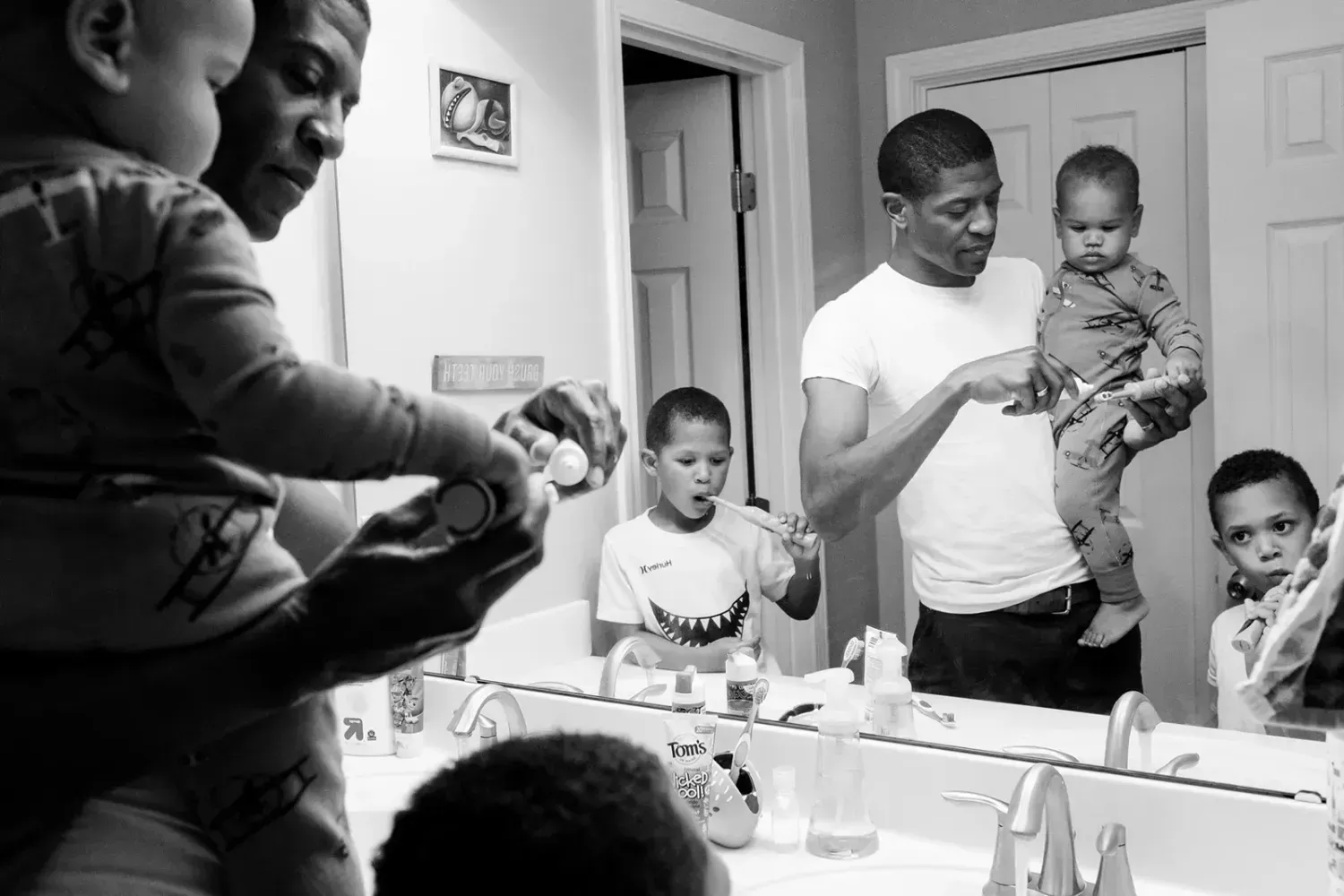
The Myth of the Absent Black Father
Data Demolishes a Racist Lie
Perhaps no stereotype is more damaging and more demonstrably false than the claim that Black fathers abandon their children. The Centers for Disease Control and Prevention’s landmark National Health Statistics Report should have ended this debate permanently. The findings demolish decades of harmful stereotypes with the extraordinary Black fathers who live with their children are actually MORE involved in their daily lives than fathers of any other racial group.
The numbers tell a story that shatters prejudice. Seventy percent of Black fathers living with their children are highly involved in daily activities, compared to just 60% of white fathers and 45% of Hispanic fathers. Black fathers are more likely to bathe, diaper, or dress their children every day (70% vs. 60% for White fathers). They eat meals with their children daily at higher rates (78% vs. 73% for White fathers). They read to their young children more often than fathers of other races (35% read daily vs. 30% for White fathers). They help with homework every single day at higher rates than any other group (41% vs. 28% for White fathers).
Even when circumstances force separation, Black fathers remain deeply committed. Among non-resident fathers, 67% of Black fathers still see their kids at least once a month, compared to only 59% of White fathers and 32% of Hispanic fathers. Furthermore, 24% of Black non-resident fathers have daily contact with their children, compared to just 19.9% of White non-resident fathers.
Why does the myth persist? The answer lies in confusing correlation with causation. Yes, 44% of Black fathers live apart from at least one child, compared to 21% of White fathers. But this isn’t about abandonment or lack of care. It is about mass incarceration that imprisons Black men at five times the rate of White men, forcibly separating families. It is about employment discrimination that creates Black unemployment rates consistently double the national average. It is about decades of redlining and discriminatory lending that created concentrated poverty and housing instability. It is about wage gaps where Black men earn 73 cents for every dollar earned by White men of the same qualifications, making stable households harder to maintain.
As researcher Dr. Roberta L. Coles explains after nearly a decade studying Black fathers: “Even though Black dads may be less likely to marry their kids’ mothers, they typically remain involved in raising their children.” The Fragile Families and Child Wellbeing Study, following 5,000 children over 15 years, found that unmarried Black fathers were significantly more likely to remain involved with their children than unmarried fathers of other races.
Dr. Michael Connor, a clinical psychologist who has studied Black fatherhood for decades, puts it bluntly: “The absent Black father myth is not supported by the data. It is a racist stereotype that ignores both statistics and the systemic barriers Black men face in their efforts to parent.”
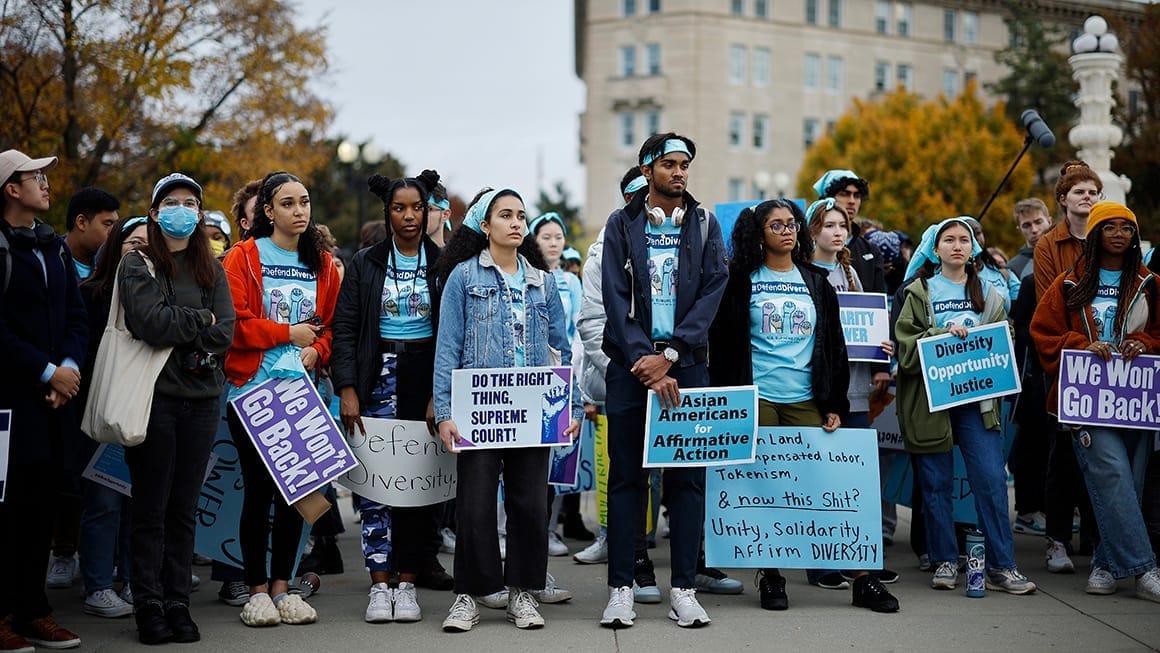
The Real Affirmative Action Story
A Boon for All
Another persistent myth claims that affirmative action and DEI initiatives primarily benefit Black Americans. The data reveals a different reality however. White women have been the primary beneficiaries of affirmative action in college admissions and the workforce. The Department of Labor reported that six million white women currently hold jobs they likely would not have obtained without affirmative action policies. And there is nothing wrong with that because it achieved its goal. These policies enriched boardrooms and diversified college campuses, proving that a focus on equal opportunity elevates society as a whole.
Despite these programs, Black Americans still face unemployment rates twice the national average, and Black women earn just 63 cents for every dollar earned by White men. The narrative that these programs create “reverse discrimination” against White Americans crumbles under scrutiny when White women remain their greatest beneficiaries.
Contemporary DEI initiatives are not about displacing one group for another; they create more successful, profitable, and harmonious organizations by including everyone’s voice and talent. Studies from McKinsey, Gallup, and others consistently demonstrate that companies embracing diversity see 33% better profits. When companies welcome differences and create real opportunities, all boats rise —a rising tide that benefits everyone, not just those formerly excluded.
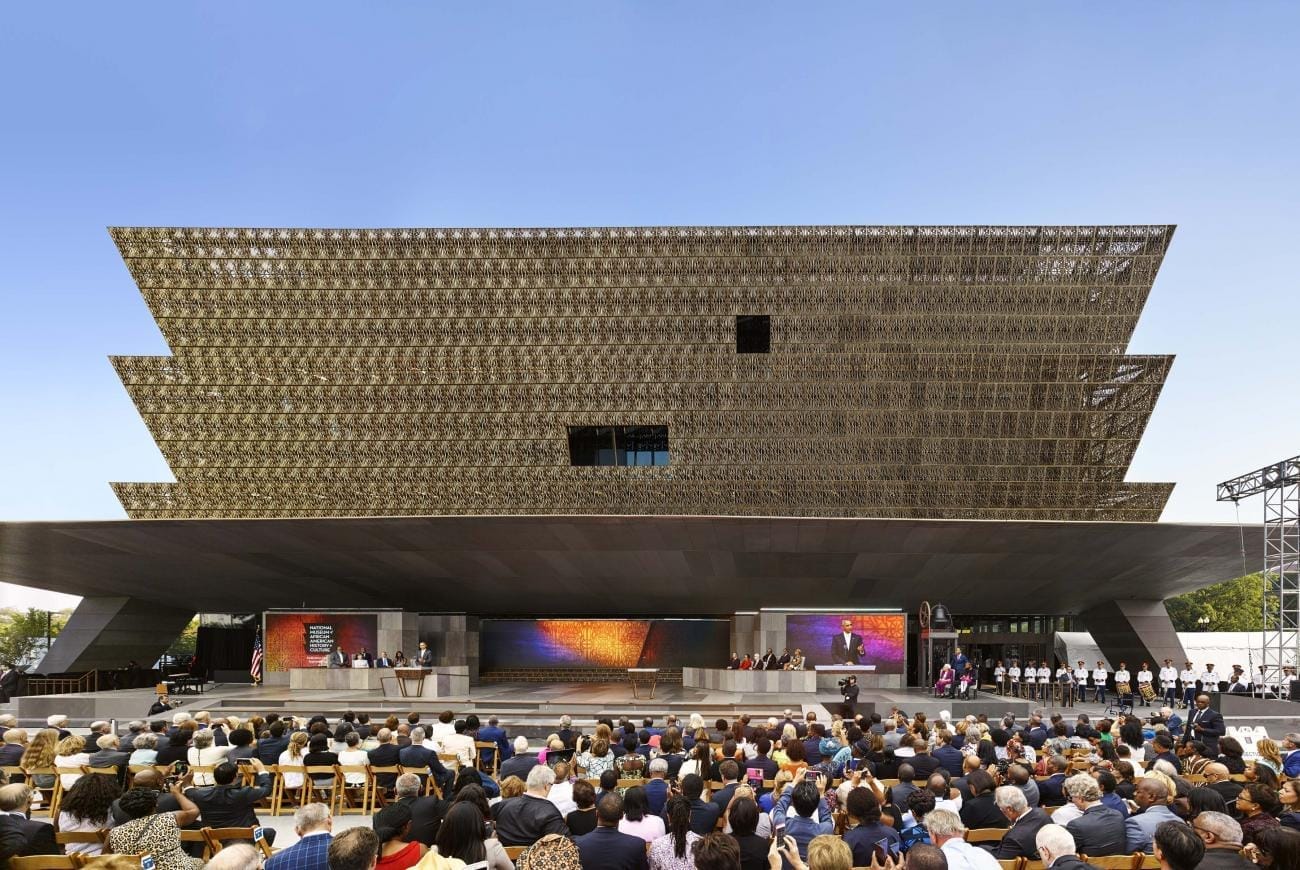
The Perils of Historical Amnesia
Museums as Memory
Imagine history as a vast museum. Some galleries sparkle with light, honoring founders, astronauts, and heroic resisters. Other wings are kept dim, almost out of sight, holding exhibits of redlined neighborhoods, “separate but equal” schools, the everyday brutality of a lunch counter standoff. When we selectively erase or gloss over these painful chapters, we deny ourselves the opportunity for genuine progress and reconciliation.
Dr. Geraldine Palmer warns that erasing artifacts or avoiding the ugly past only helps outdated power structures remain, while the pain and wisdom of history are hidden. When museums lock away artifacts of segregation, exclusion, or struggle, we dim the lamps in those crucial wings of our national story. Other nations, Germany with its Holocaust remembrance, and South Africa with its Truth and Reconciliation, choose to confront, not deny, the worst of their pasts. We must follow their example.
Cultural heritage is the nation's memory vault. Removing, ignoring, or misrepresenting these stories is an extension of colonial dominance, making it easier to downplay continued disparities while protecting comfortable myths. When we whitewash, we’re left with fairy tales. But America’s true greatness lies not in perpetuating comforting myths but in engaging in honest reckoning, in making space for hard truths so we can build something better.

A Call to Courage
The Real American Promise
If there’s one lesson from this tragedy, let it be this: True democracy means fierce debate, relentless argument, and above all, the courage to face facts, especially when they are uncomfortable. It means smashing old myths with evidence and compassion. It means refusing both violence and silence.
When we perpetuate false narratives about Black families, we are not just spreading misinformation; we are actively harming communities and ignoring the real issues of poverty, discrimination, and mass incarceration that create family separation. We are erasing the millions of Black fathers who, despite facing systemic obstacles that would break many people, show up for their children every single day with love, dedication, and unwavering commitment.
Let us honor Charlie Kirk by upholding the American promise to meet dangerous ideas in open debate, never with a gun or gag. Let us honor the nameless millions whose histories are still left out of the spotlight by demanding their stories take center stage, building a heritage not of sanitized pride, but of reckoning and shared striving.
Let’s defend the right to disagree, even vigorously, and refuse to let the loudest or easiest narratives have the last word. Let’s demand that our museums and stories illuminate every gallery, not just the ones that make us proud. Let’s move forward not with whitewashed myths but with all our complexity shining in the open.
Abraham Lincoln, facing a nation at war with itself, declared that America must be “dedicated to the great task remaining before us...that government of the people, by the people, for the people, shall not perish from the earth.” In our time, the great task is to reject shallow narratives, rebuke political violence, and engage every voice, even those we oppose, with principled rebuttal.
A nation that cannot tell its whole story cannot heal, and a nation that answers speech with killing has lost its way. Our generation is called, as every generation before us, to finish the work, bind up the wounds, and choose truth over myth, argument over violence, remembrance over erasure.
Only then can America bind up its wounds. Only then do we truly strive toward a more perfect Union. That is our inheritance, and our unfinished revolution.
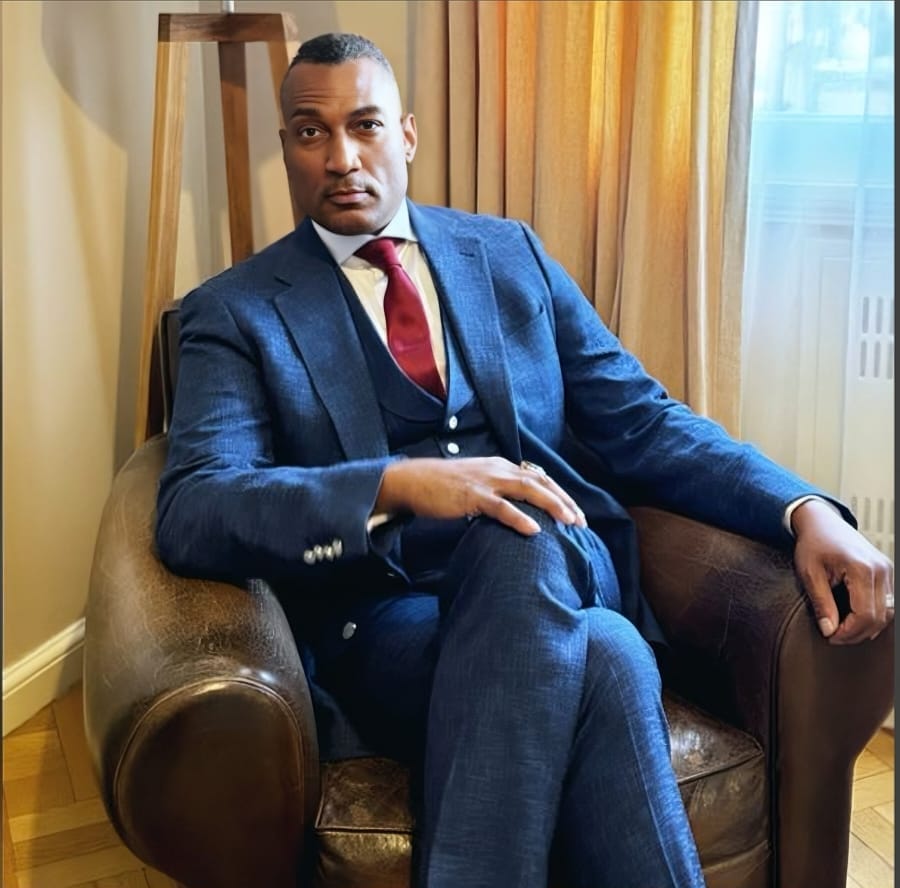
Oliver N.E. Kellman, Jr., J.D. Managing Partner & Executive Managing Director
“A nation that answers speech with killing has lost its way.”— Oliver N.E. Kellman, Jr., J.D.
Follow me
Created with ©systeme.io


