THE PACIFIC PARTNERSHIP PUZZLE: HIGH-STAKES SUMMIT AMID ECONOMIC CROSSWINDS
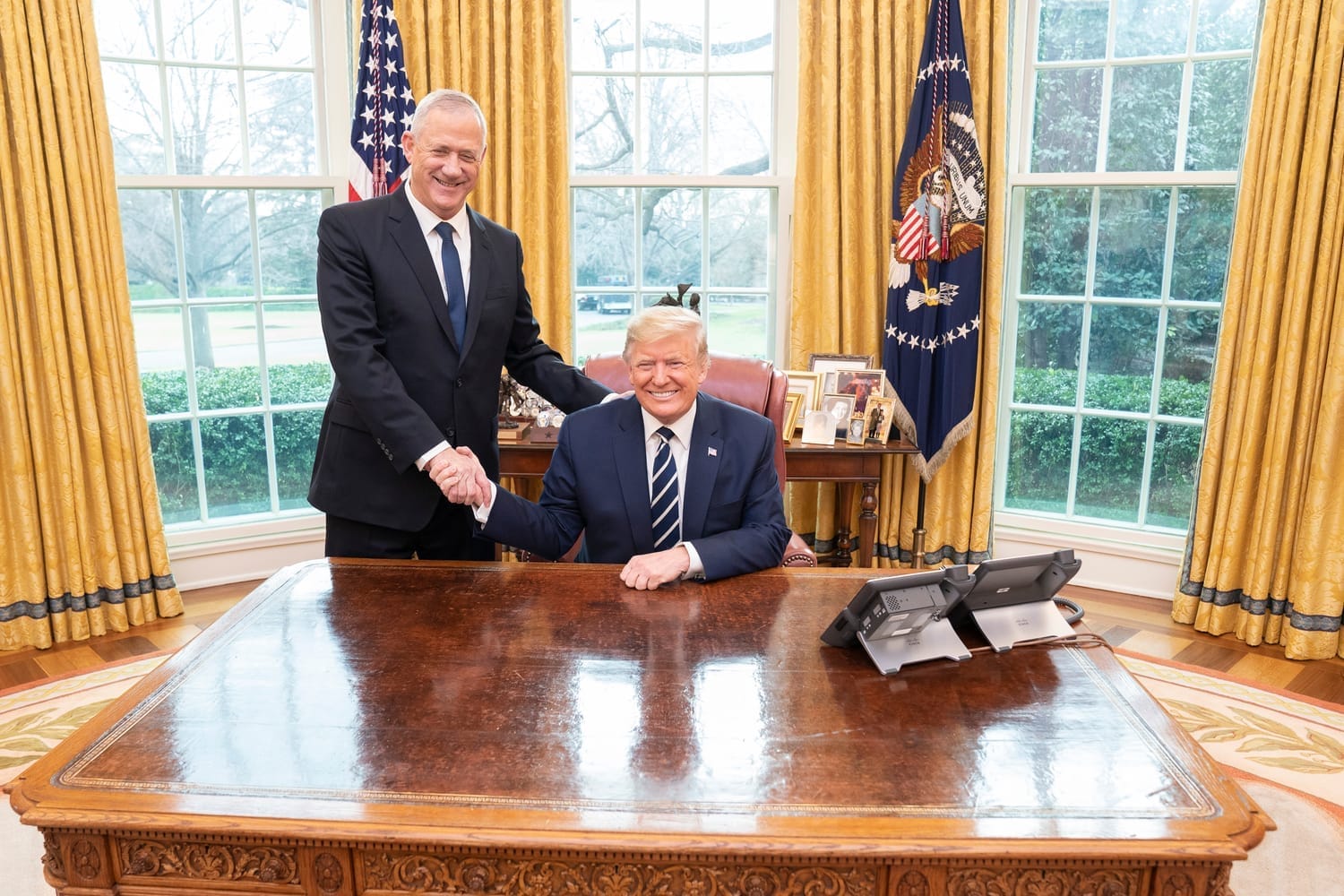
The Oval Office has witnessed countless diplomatic breakthroughs, but today’s encounter between South Korean President Lee Jae Myung and President Trump represents a masterclass in 21st-century statecraft, one where economic reality collides with geopolitical necessity. As Lee walks into what could become the most transformative negotiation of his tenure, he carries the weight of $350 billion in committed U.S. investments and a nation grappling with its worst economic downturn in years.
The Architecture of an Unprecedented Deal
In the complex choreography of international relations, Lee finds himself navigating an intricate framework that has already reshaped trans-Pacific economics. The July 2025 agreement, which reduced U.S. tariffs on Korean goods from a threatened 25% to 15%, came at a staggering price. $350 billion in Korean investments were directed toward the U.S.-owned industries, with President Trump maintaining personal selection authority over these investments.
President Trump’s vision extends beyond mere numbers. As Commerce Secretary Howard Lutnick clarified, 90% of profits from these investments will flow to the American people. Seoul interprets this differently, as reinvestment in U.S. operations rather than repatriation, but the ambiguity itself reveals the delicate nature of this arrangement. As one Korean presidential advisor noted with remarkable candor, “ambiguity is good” when it comes to these fund details.
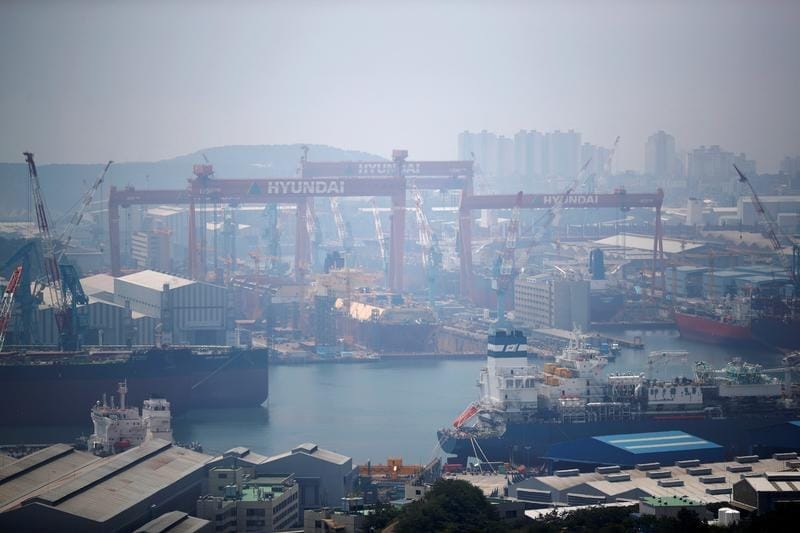
The centerpiece includes $150 billion specifically earmarked for U.S. shipbuilding cooperation, a sector where Korean giants like Hyundai Heavy Industries currently dominate global markets. This is not just an investment; it is a strategic transfer of industrial capability that President Trump views as essential for American maritime renewal.
The Economic Reality Check
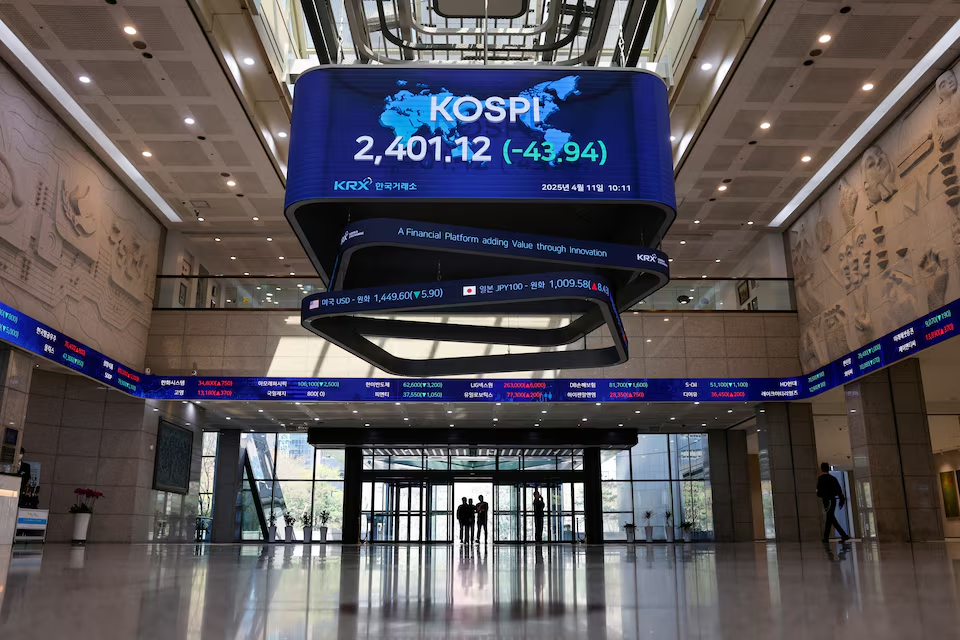
While negotiating these massive commitments, Lee faces a brutal domestic economic landscape that makes every concession politically explosive:
● South Korea's economy contracted by 0.2% in Q1 2025
● The OECD slashed growth projections from 2.1% to just 1.0% for 2025
● The Korean won has depreciated 15% against the dollar since January
● Household debt stands at 93.5% of GDP, among the world's highest
● Business investment is projected to decline by 1.8% this year
With exports to the U.S. accounting for 5.6% of Korea's GDP, far higher than Japan's 3.2% or China's 2.3%, the stakes could not be higher. The effective tariff rate on Korean exports has already jumped from 1% to 16%, creating immediate pressure on an export-dependent economy already struggling with global headwinds.
The Energy and Agriculture Gambit
Beyond the investment fund, South Korea has committed to purchasing $100 billion in U.S. liquefied natural gas and energy products over three and a half years. This represents not just a trade concession but a fundamental reorientation of Korea’s energy supply chains away from Middle Eastern sources, a geopolitical shift with implications far beyond economics.
The agricultural market access President Trump seeks for American farmers strikes at the heart of Korean domestic politics. While both sides claim victory, Korea maintains that rice and beef markets remain protected, President Trump asserting South Korea will be “completely OPEN TO TRADE,” the reality lies in the details yet to be revealed. For Lee, any perceived capitulation on agricultural protections could trigger protests reminiscent of the 2008 candlelight vigils that paralyzed Seoul.
Technology Tariffs and Tomorrow’s Economy
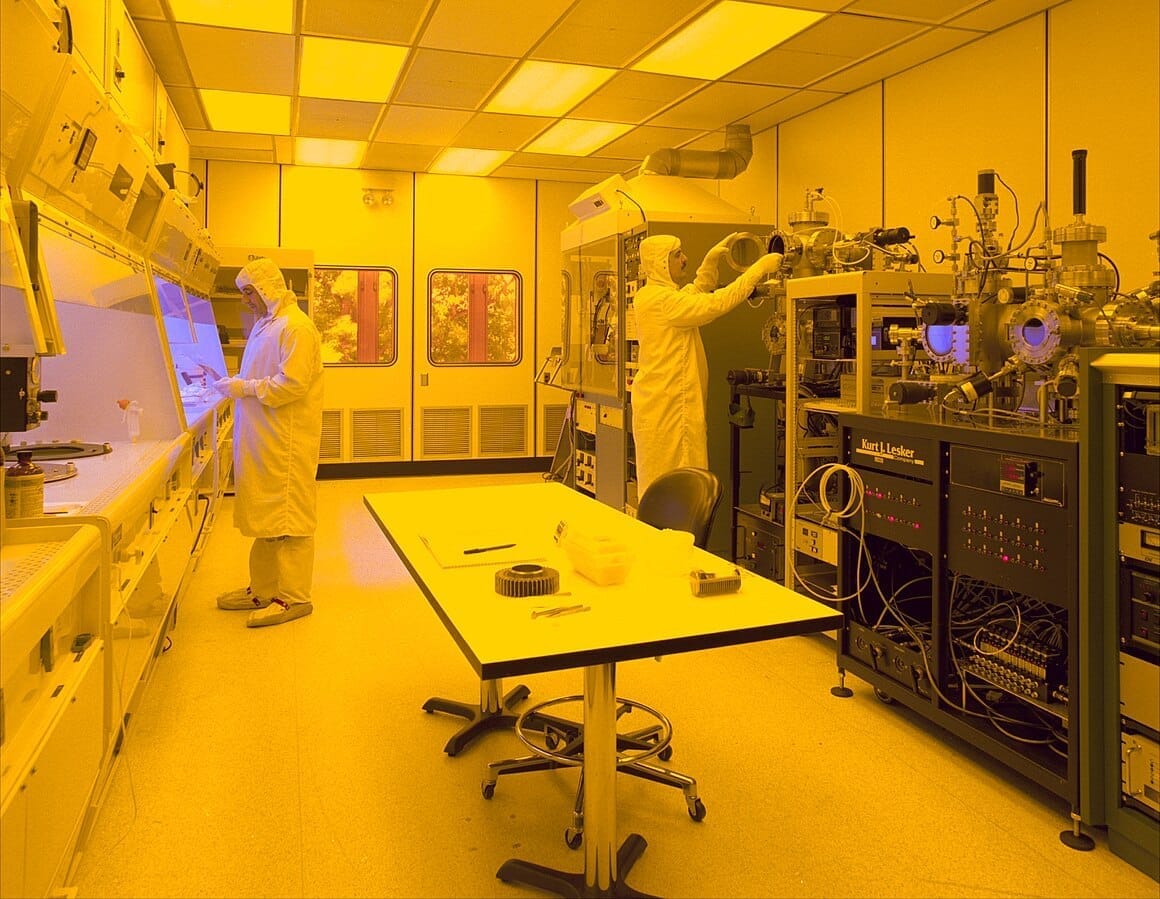
The semiconductor and pharmaceutical sectors, Korea’s crown jewels contributing billions in exports, secured a crucial concession: treatment “not worse than any other country,” likely meaning the same 15% ceiling negotiated by the EU. Yet the 50% tariffs on steel, aluminum, and copper remain unchanged, a reminder that President Trump’s protection of American heavy industry remains non-negotiable.
“In the 21st century, semiconductors are the new oil,” notes one trade expert. Samsung and SK Hynix chips power American technology, creating a dependency that gives Korea leverage even in this asymmetric negotiation. The irony is palpable, seeking tariff relief on products America desperately needs for its own technological competitiveness.

The Military Money Machine
President Trump’s longstanding position that South Korea should pay more for hosting 28,500 American troops adds another dimension to today’s talks. His colorful description of South Korea as a “money machine” actually complements their remarkable development while signaling that prosperity must translate into greater burden-sharing.
For Lee, every percentage point increase in defense contributions represents political capital burned at home. The previous administration had already increased payments by 13.9% in 2024, further increasing the risk of domestic backlash amid economic contraction.
The North Korea Wild Card
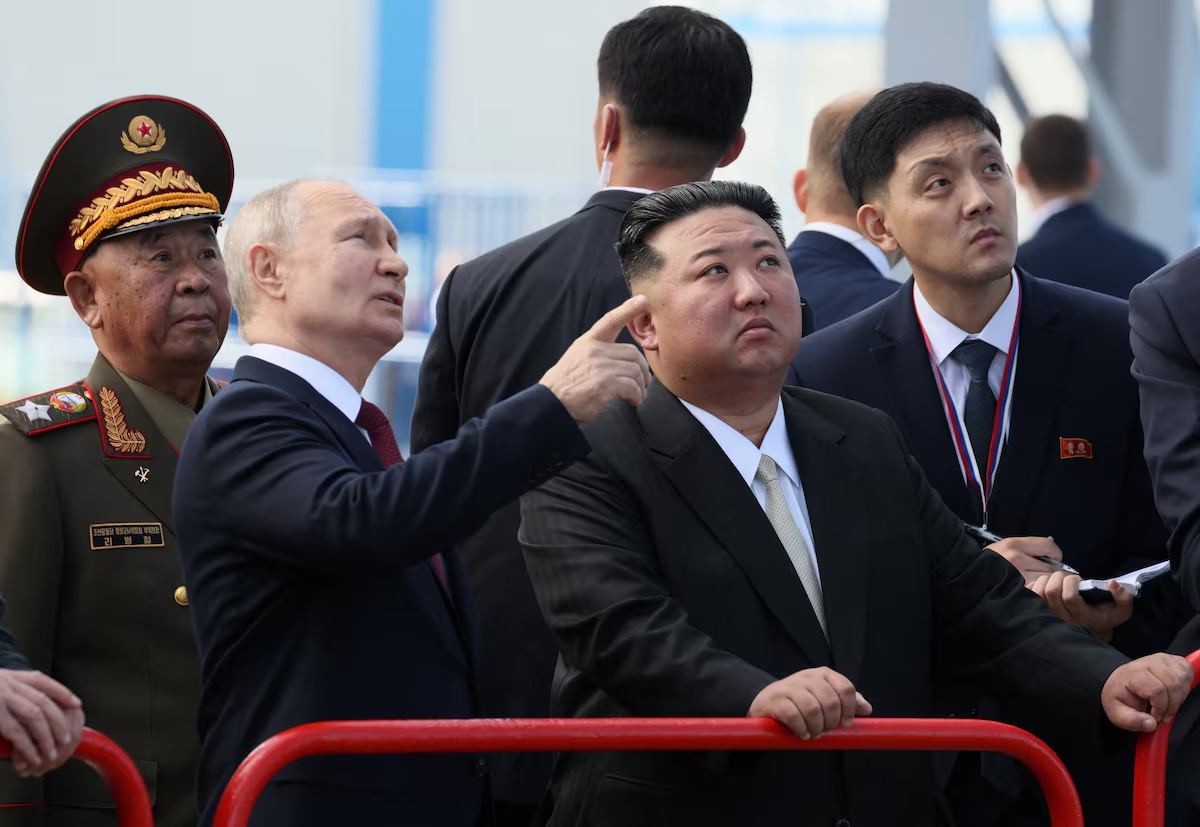
Both leaders share a willingness to explore new approaches to Pyongyang: President Trump through his historic direct diplomacy, Lee through potential engagement. Yet North Korea’s pivot toward Russia and accelerated nuclear development create a strategic puzzle where every economic concession potentially affects security calculations.
The timing is particularly delicate as Pyongyang watches these negotiations for signs of alliance friction it might exploit. Both leaders understand that economic agreements must strengthen, not weaken, the security architecture that has kept Northeast Asia stable for seven decades.

The Soft Power Paradox
While Lee negotiates from apparent economic weakness, South Korea’s cultural exports are conquering American hearts with unprecedented success. From “KPop Demon Hunters” on Netflix to BTS selling out stadiums, Korean soft power creates a unique backdrop. “Culture is the ultimate asymmetric weapon,” as one analyst noted. “You can impose tariffs on cars, but you can't tariff the human heart.”
This cultural penetration gives Korea influence beyond traditional diplomatic channels. American consumers who love Korean entertainment become inadvertent advocates for balanced economic relationships.
The Bottom Line Stakes
As the meeting unfolds, several realities converge:
For President Trump: This deal demonstrates his transactional approach can deliver tangible results- $350 billion in investments, $100 billion in energy purchases, and renewed American industrial capacity. His business background allows him to see opportunities where traditional politicians see only obstacles.
For President Lee: He must sell a deal that commits nearly a trillion dollars in investments and purchases to a domestic audience facing economic hardship. With South Korean companies preparing to announce an additional $150 billion in U.S. investments during this summit, the total commitments could exceed $600 billion, an astronomical sum for an economy of Korea’s size.
The supplementary budget Lee has called for, at least $22.1 billion, pales in comparison to these U.S. commitments, creating a narrative challenge: How does he justify massive American investments while seeking emergency domestic spending?
The Path Forward
Today’s summit is not just about trade deficits or investment funds. It is about whether middle powers like South Korea can navigate between economic integration and political sovereignty, between alliance obligations and domestic imperatives. The framework already negotiated, bypassing the existing KORUS Free Trade Agreement, represents a new model of bilateral relations where traditional trade agreements give way to more fluid, leader-driven arrangements.
President Trump offers clarity in his demands: reciprocal trade, fair burden-sharing, and American industrial renewal. For Lee, the challenge lies not in understanding these demands but in packaging them for domestic consumption while his economy contracts and his people face mounting debt burdens.
As one veteran diplomat observed, “We are not just negotiating numbers; we are negotiating the architecture of the future Asian-American economic order.” The investment funds, energy purchases, and tariff arrangements represent more than economic transactions, they are the building blocks of a Pacific partnership that must balance American renewal with Korean prosperity.
The Historic Moment
As the Oval Office doors close today, both leaders understand they are writing history. President Trump seeks vindication of his unconventional approach, proving that tough negotiation delivers better results than diplomatic niceties. Lee seeks to secure Korea’s economic future while managing political survival in a nation where every percentage point of growth matters and every trade concession carries political risk.
The world watches not with apprehension but with recognition that this meeting encapsulates the defining challenge of our era: How do nations balance economic interdependence with political independence? How do leaders sell international commitments to domestic audiences facing economic hardship? And ultimately, can the American-Korean partnership evolve from one of dependency to genuine mutual benefit?
In President Trump’s Washington, deals are not just possible, they are essential. And today, with $350 billion already committed and potentially $150 billion more on the table, the art of the deal meets the imperatives of survival for a South Korean economy caught between Chinese competition, American demands, and its own structural challenges.
The stakes could not be higher, the timing could not be more critical, and the outcome will reverberate across the Pacific for decades to come.

Oliver N.E. Kellman, Jr., J.D. Managing Partner & Executive Managing Director
“We are not just negotiating numbers; we are negotiating the architecture of the future Asian-American economic order.”— Oliver N.E. Kellman, Jr., J.D.
Follow me
Created with ©systeme.io


